
Text by: Karlyne Manrique
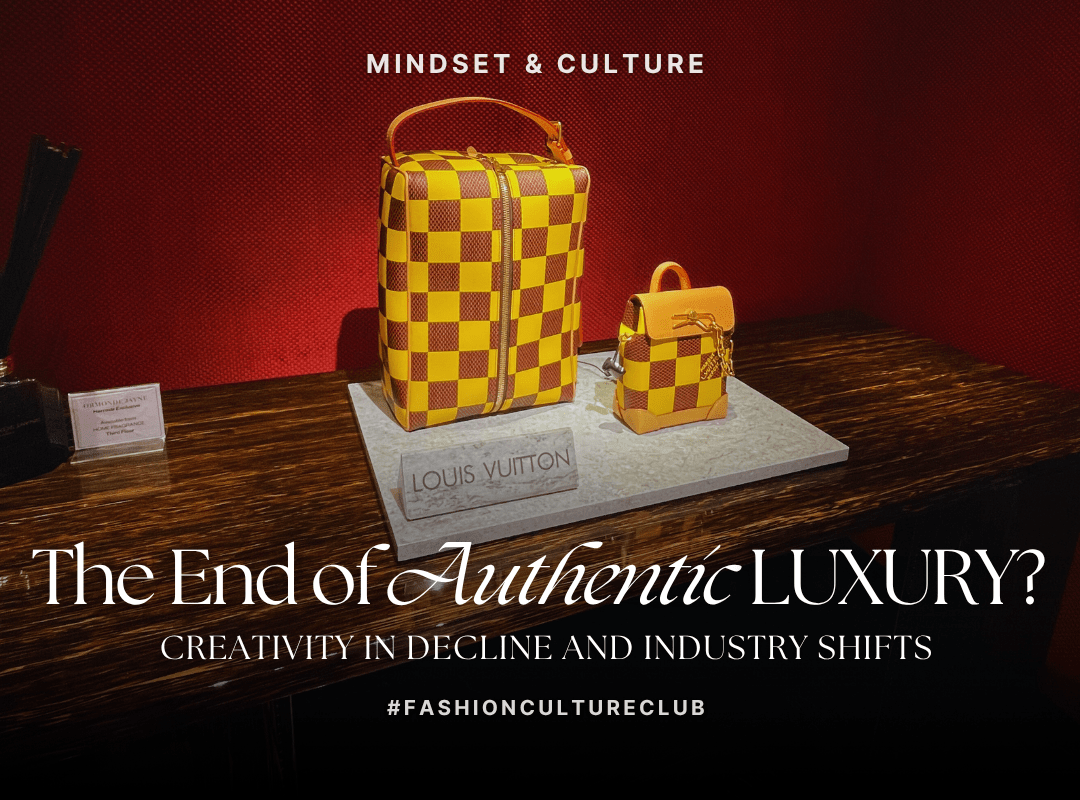
Price fatigue and economic pressures, as well as a decline in product creativity, are just a couple of the reasons behind the drop in luxury fashion sales, which is not going through its best moment due to global factors such as inflation and the endless trade war; in addition to greater competition, thanks to the massive supply of products through online channels and changes in consumer habits. In these increasingly fast-paced times, it is time for brands to reformulate a strategy that reconnects with the new needs of their buyers.
After a period in which brands like Balenciaga transformed the exclusivity of luxury into hype, making their designs objects of desire due to the memetic nature of their collections, buyers have grown tired of this joke fashion amid the uncertain times we are living through, and now show a desire to invest their money better in real luxury that provides them with well-being: enriching experiences, durability, and product quality. Consumers have also reached this limit due to the rising costs of luxury products in recent years without apparent reason, which could increase further due to new tariffs.

Luxury no longer represents exclusivity; it has lost value on its path to being democratized
We must not forget that this trade war recently uncovered information about Chinese manufacturers producing luxury products labeled as Made in France and Made in Italy, adding another layer of distrust toward the luxury market, which has raised prices mercilessly in recent years while lowering production costs by moving manufacturing to Asia—thus deceiving consumers who believe they are purchasing a product made in Europe, as the label claims.
Another factor contributing to the difficult times in the luxury market is the fact that these brands were previously perceived as exclusive to those with intrinsic status, something that has changed in this era of millionaire influencers, where any personality with a viral channel generating excessive income can purchase luxury items. Because of this, luxury brands have lost their essence of exclusivity and elegance, which is now more associated with waste and excess.
This generation’s urge to show off, having lived in the digital world from an early age, has also devalued the original essence of luxury brands: exclusivity and craftsmanship, transforming it into trivialization and compulsive purchases to flaunt on social media—though this finally seems to be changing.
In May of this year, consulting firm Bain & Company forecast that global sales of luxury items will fall by between 2–5% in 2025, a significant drop from their previous forecast.


 Análisis, Cultura y Mindset de la moda.
Deja un comentario