
By: Karl Manrique
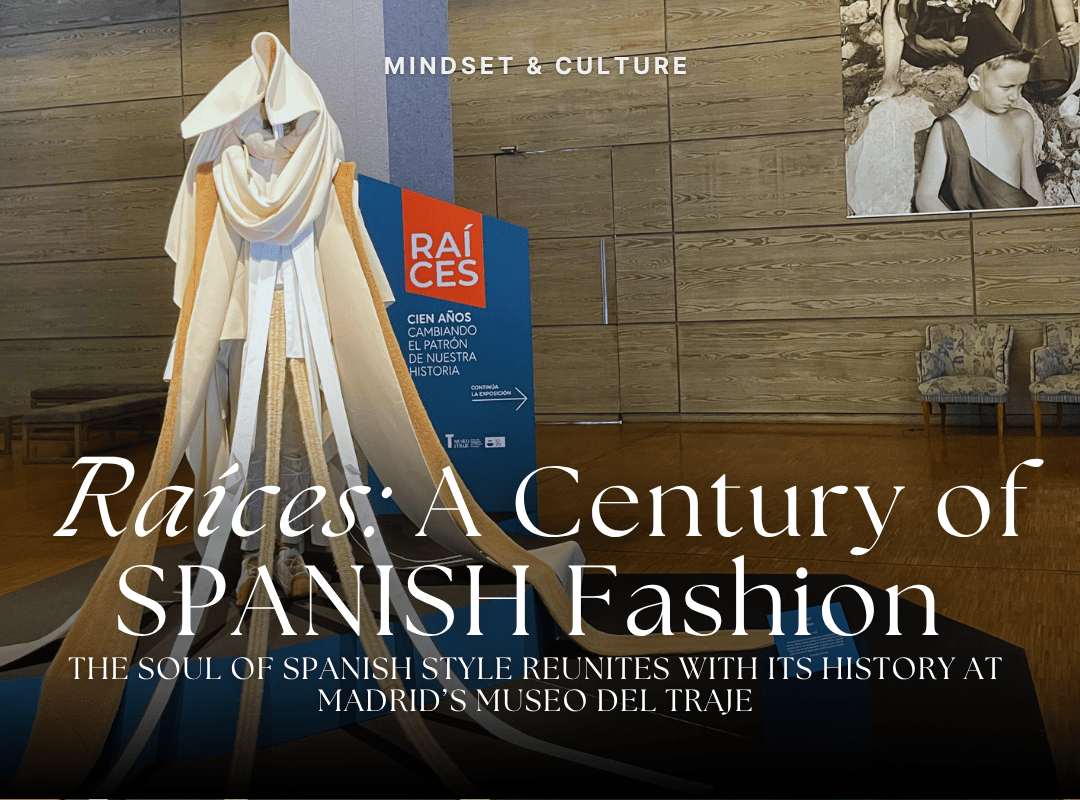
Every time I visit a city, I take the opportunity to explore the available fashion exhibitions and discover new museums—especially if they are dedicated to fashion. This time, it was Madrid’s turn, where, during a trip mainly meant to celebrate my birthday, I had the chance to visit the Museo del Traje and explore the exhibition RAÍCES: One Hundred Years Changing the Pattern of Our History.
This extensive exhibition celebrated in 2025 the centenary of the Exposición del Traje Regional, a showcase that laid the foundation for today’s Museo del Traje, promoting the preservation and study of Spanish clothing throughout the years.
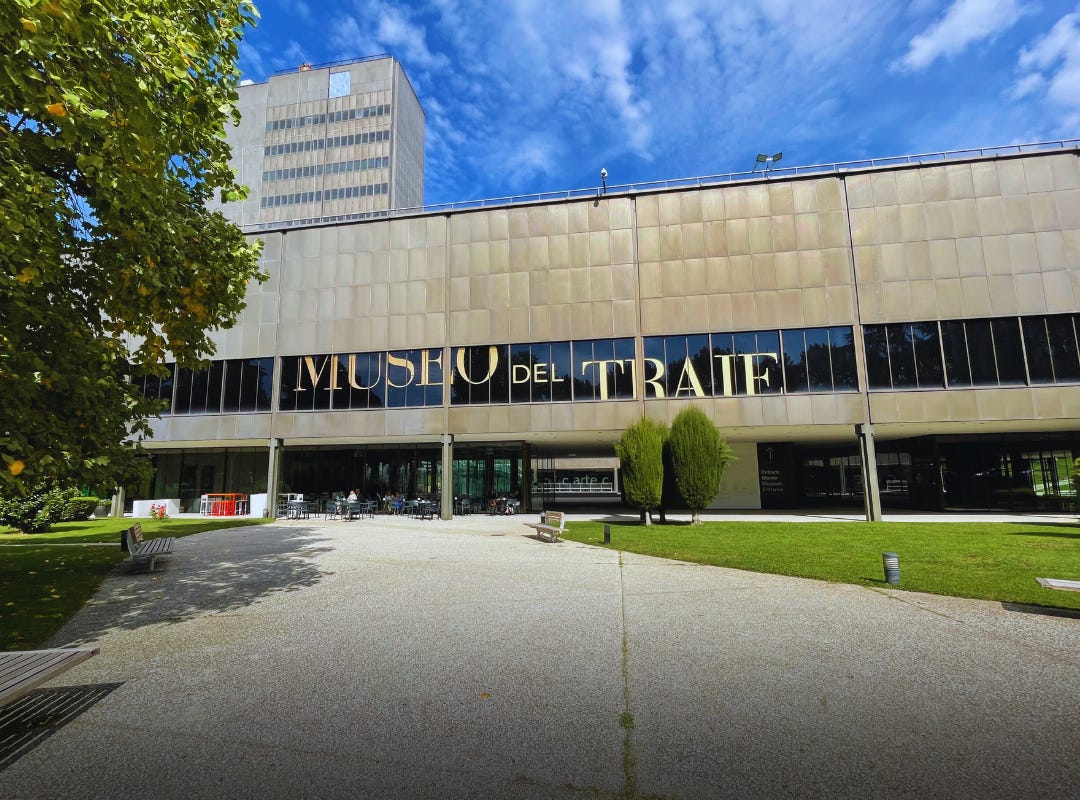
In 1925, the year that original exhibition took place, more than 12,500 pieces of clothing, textiles, and jewelry were gathered. One hundred years after that event, this new exhibition renews the concept, integrating new objects, garments, and names that now make up the history of Spanish dress.
At the start of the exhibition, we were greeted by a black Versace minidress from 1994, in which the traces of time were visible in the material. Below it, a photograph and print depicted young Alfonso XIII, dated 1897.
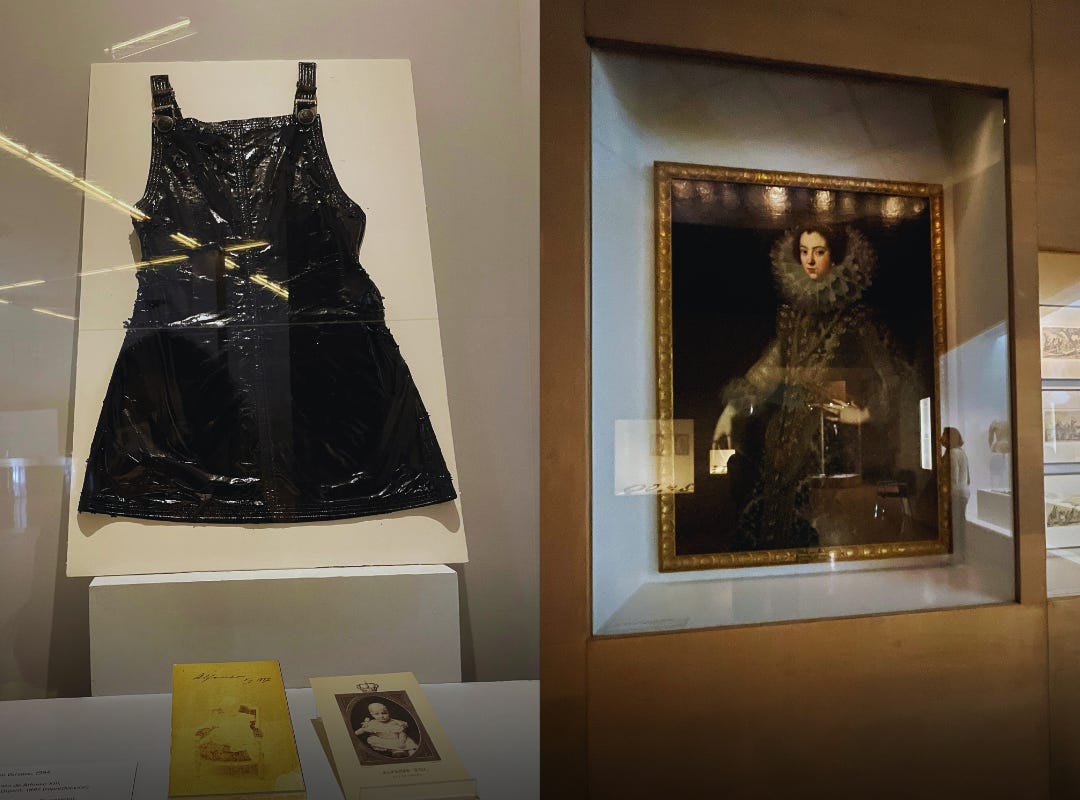
Upon entering the first room, garments illustrating Spanish dress from the 16th century were displayed, giving prominence to lace and embroidery work, which were established as symbols of status and wealth at the time.
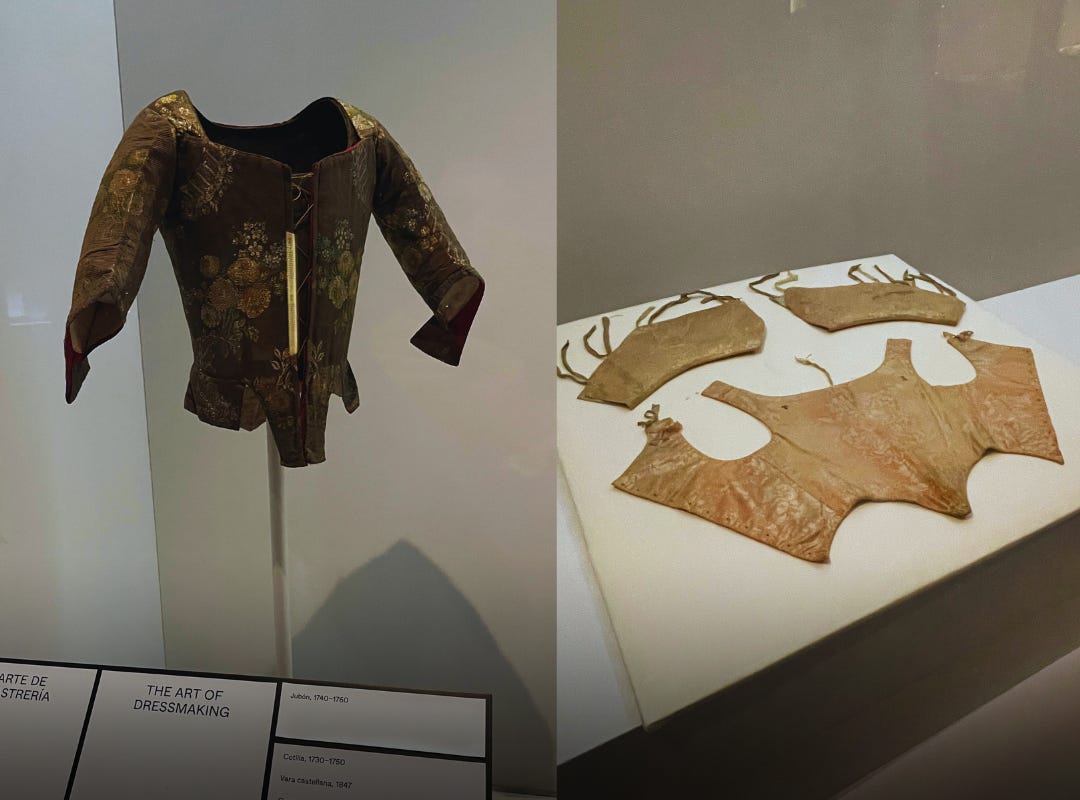
Doublets, waistcoats, and frock coats from the 16th and 17th centuries were exhibited as the perfect welcome to begin this journey, showcasing the masterful tailoring of the era and detailing how the pieces were arranged to construct the final garment.
Raíces offered a well-structured and insightful journey through Spanish fashion over time—not only through garments and explanatory videos but also through a series of contemporary pieces that complemented each stage of the exhibition, drawing comparisons between historical and modern design. In this section, creations by designer Lorenzo Caprile served as a contrast.
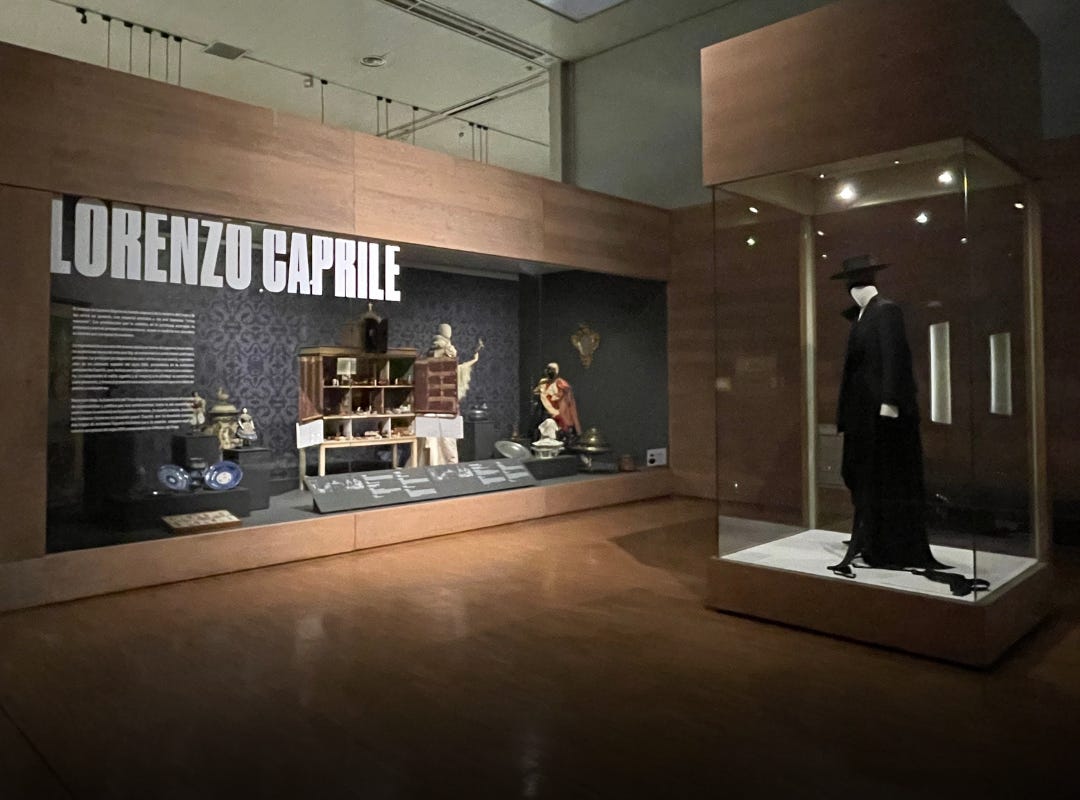
By the 18th century—the age of majos and majas—the exhibition featured bullfighter jackets and suits, as well as hairnets and coifs. Combs, earrings, lockets, and fans from the 18th and 19th centuries, all very much in the Spanish style of the time, were also displayed as examples of women’s accessories, alongside shawls and mantillas.



 Análisis, Cultura y Mindset de la moda.
Deja un comentario