
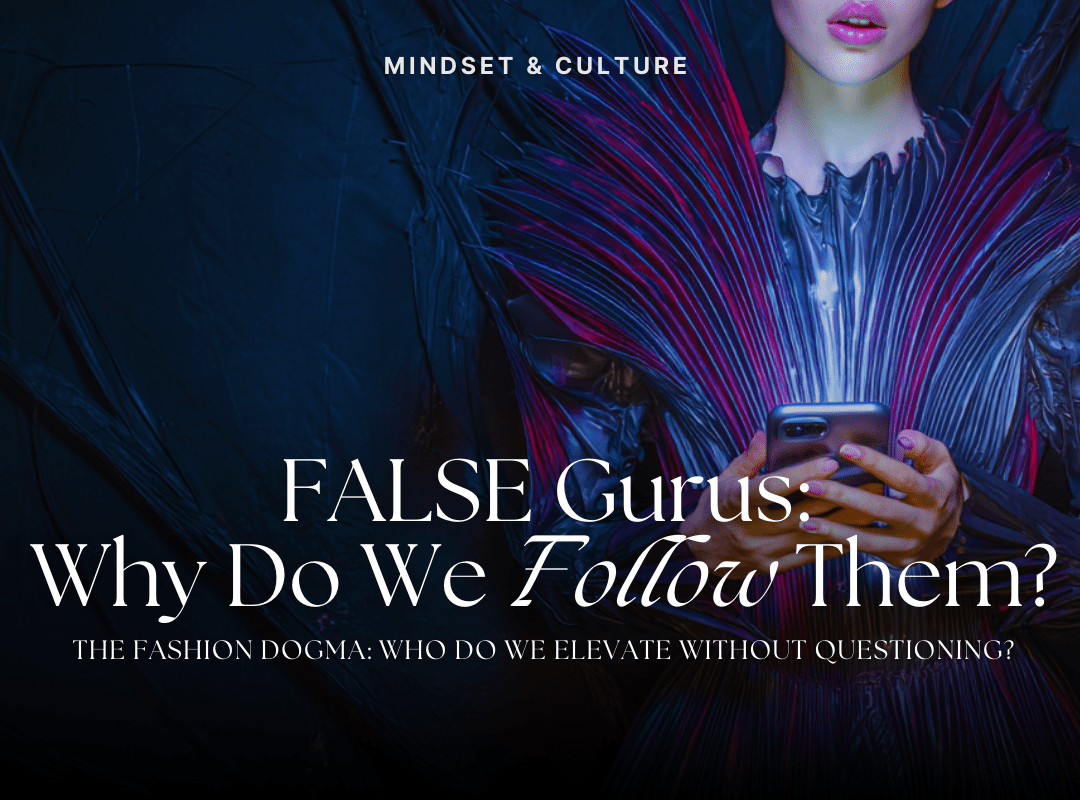
By: Karl Manrique
Factors such as a good script, a viral title, a “pretty” feed, or a misleading story can make us believe that a person is an expert in something without actually being one. But when we give a like, follow, or hire someone, do we question the experience behind the person speaking to us through social media?
At the beginning of November, 1Granary published a post titled: “Some people rise fast not because they´re the best, but because they´re confident” which addresses how a person’s confidence when taking on a project or position is what allows some people to quickly reach positions of power or status above those who might be better qualified but doubt themselves when it comes time to act. Although I agree with this idea, I would add that reaching these positions is also influenced by taking the right opportunities that come by chance or because they were provoked.
To be or to seem.
But it is not only the excess of confidence when beginning new projects or developing new skills that makes the difference between people who succeed and those who take longer to achieve it, but the use of certain tactics or opportunities to bypass the lack of talent or experience, since if you lack skill in something, you can always pretend you have it—especially if you are helped by good social media editing. This has become a problem in the era of influencers, where anyone can fake nonexistent expertise behind the mask of confidence, very much in the style of Marilyn Cote.
Although it is true that, as 1 Granary says, success lies not only in knowledge but also in the courage to launch yourself into a project without being stopped by obstacles, in this context we should begin to question who in this world of fashion pretends to be an expert, backed only by rhetoric, inflated followers, or simple pretensions. Because nowadays it is easy to convince people that we are attendees at any event by simply taking a few shots of the outside of a venue.
For this reason, in fashion in Mexico—and in the digital world—where we do not have a law requiring content creators to have degrees or experience to publish on professional topics with the aim of combating misinformation as they do in China, we must be our own filter and seriously question who is behind that video speaking to us about a topic and what trajectory backs the person to whom we give a like or even hire for some service or training.

When we follow an account on any topic, we do so because it offers us a different perspective on something relevant, combined with a good narrative, makes us question something, or simply has a creative format. It is a set of factors that make us follow someone or give them our approval, but we should also (and this certainly applies beyond fashion or digital content) be more critical and question whether the person who comments or educates on a topic speaks with foundation or is simply being bold by jumping on a trend without even knowing about the topic in question.
In 2025, misinformation is the order of the day, with increasingly refined AI images and narratives created to hook audiences, building false trends. If we want to build a solid fashion industry in Latin America, let’s seriously question who is pretending and who truly speaks from experience, without theorizing based on assumptions.
Just as content creators strive to improve their networks and communication, we as spectators must look beyond the accounts privileged by the algorithm, toward those who do not replicate opinions that follow a pre-established trend, those who are not bold enough to stand before an audience and pretend—without experience to back them—that they understand an industry they aspire to change from ignorance.
This thought came to me after reading a comment someone left on a post recommending an account that, as the person mentioned, approaches fashion from new and interesting points of view. Upon searching for this outlet, it did not even reach 200 followers. This made me remember something I have previously mentioned in earlier articles and that I will continue to emphasize: that phenomenon where the most interesting fashion accounts are, curiously, those with fewer than 10,000 followers, making them in some way cult media, just as occurs in film or music, offering pieces that make you think, that question, and that are known and appreciated by only a few privileged people. In fashion and in life, do we really want to open ourselves to different visions, or follow trends that shape our thinking and whose destination we do not know?



 Análisis, Cultura y Mindset de la moda.
Deja un comentario