
We have reached the midpoint of the 2020s, and with it, the zeitgeist that will define this period in the future and in history has been established. We began this decade amidst the chaos of a global health crisis, which undoubtedly marked a before and after in how we live, feel, and, of course, consume.
We are at a point in time where every brand and business must, without exception, have an online store or at least an active presence on social media. This new «rule» of our era has allowed both new and established entrepreneurs to easily offer and sell their products without geographical limitations, boosting sales through digital storytelling.

Online sales, Y2K nostalgia, Old Money, Quiet Luxury, athleisure + workwear, anti-overconsumption activism, the resurgence of second-hand fashion, generative AIs, and ultra-fast micro-trends dictated by TikTok and Gen-Z have shaped the first five years of this decade in fashion. All of this has unfolded amidst a global social sentiment dominated by fear, anxiety, economic instability, and uncertainty about the future, leading people to value experiences and peace of mind as the new modern luxuries.
In 2025, social sentiment shifts and is reflected in fashion, which, while evolving naturally after the first four years, now sees trends strongly projecting the return of structured silhouettes and the classic beauty of the past. Women’s power suits are no longer baggy and oversized; instead, they now firmly empower the two-piece ensembles.
The return of structured tailoring alludes to the stable and secure foundation that society longs to return to, after a period in which wokeism failed to take hold. Much like the fads and fast trends that prevailed in 2023 and 2024, it has left a confusing mess in society, even leading the youngest generations to total exhaustion.
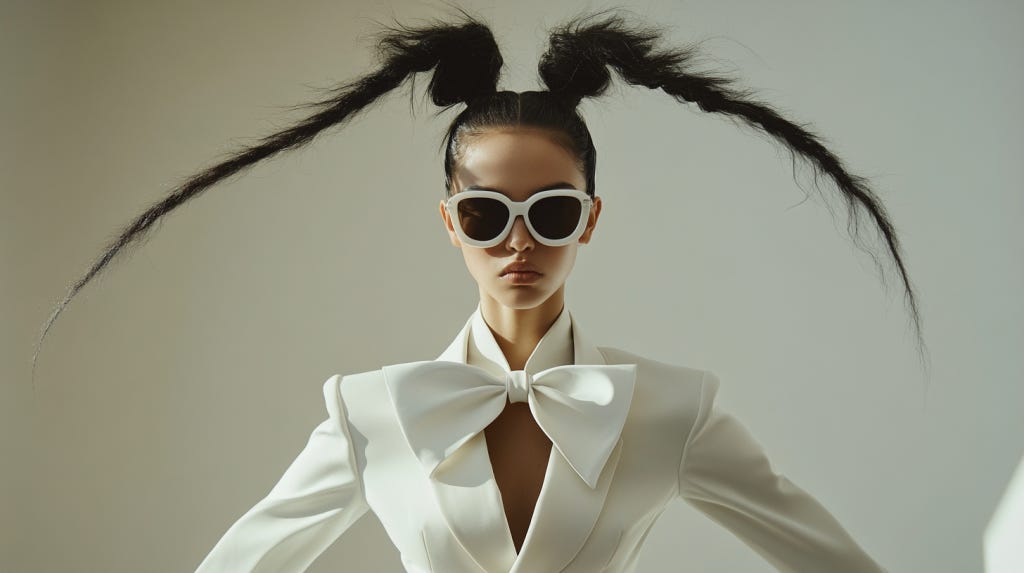
Even the experimental Gen-Z, who have lived their entire existence in the digital age, are now showing signs of yearning for a taste of tradition. The result of this vortex of uncertainty in which we still find ourselves after several years has been a clear general social desire for security, stability, and nostalgia for times that, from a distance, seem better.
Are We Overlooking High-Potential Markets?
Brands often aim to connect with young buyers eager to experiment and find their style and identity through fashion. However, in an era where generating sales is increasingly challenging, expanding to new commercial markets can be a highly positive opportunity. Whether you are creating a new brand or simply looking to expand your market with new product lines, targeting these overlooked niches is always a good idea, as they tend to have less competition and are often ignored.
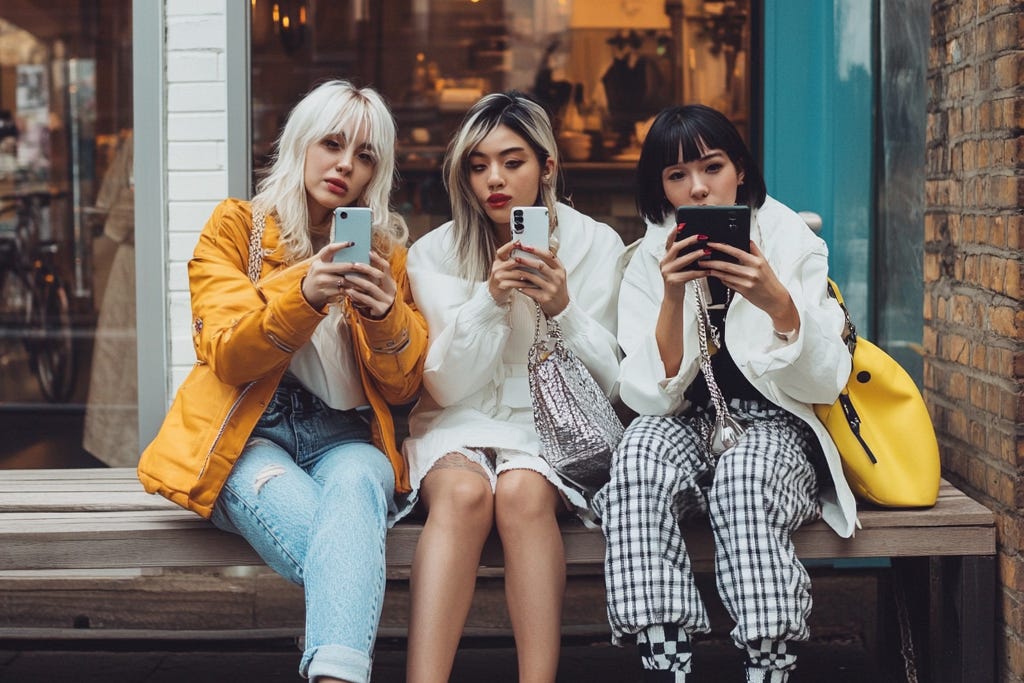
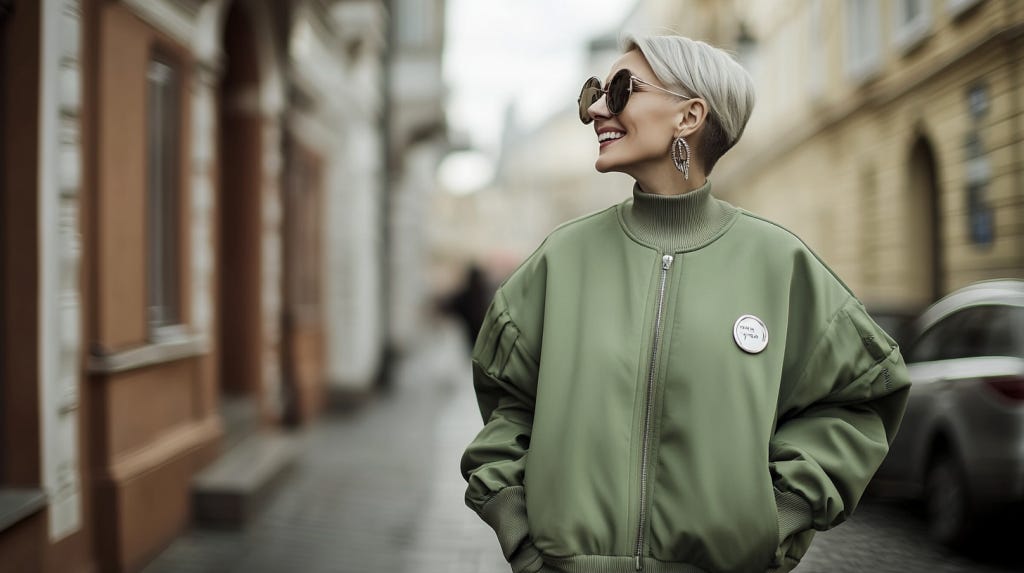
In past decades, designing fashion for people over 40 meant creating casual, utilitarian, and uninspired clothing. Today, Millennials and Gen Xers within this age group have extended youth beyond the traditional «young adult» phase of the 20s and demand clothing that aligns with trends while offering something compelling.
Should Brands Focus Solely on the Young in an Aging World?
Targeting collections toward the younger market allows for creative and experimental designs. But will it remain a commercially viable business in the future? Ideally, we should intelligently expand our customer base without limiting ourselves by age, ensuring sustainable growth.
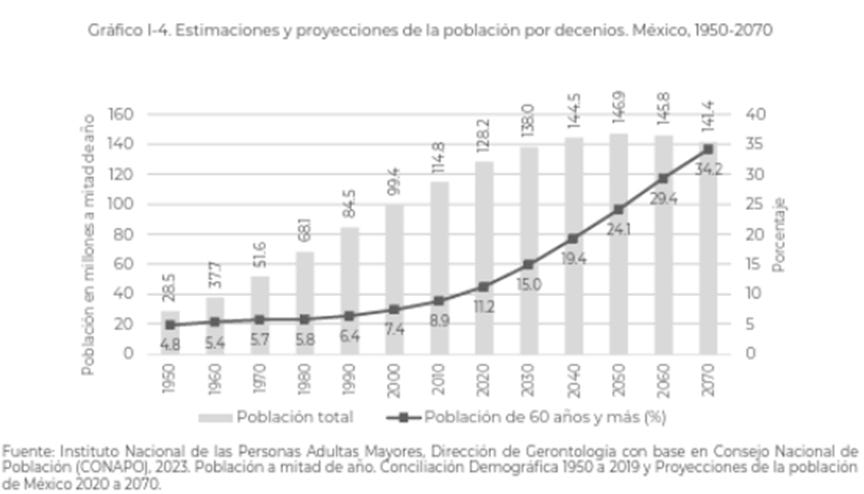
We are currently at a point where the younger population is steadily decreasing as the years go by. This trend is not only forecasted for European and Asian countries, where it has been occurring for years but also for countries that previously had a high proportion of young people in their population, such as India and Mexico.
According to the report «Diagnosis of Older Adults in Mexico II» (2023), with data from the National Population Council (CONAPO, 2023; Graph I-4; Table I-2): «In 1970, the estimated population of older adults was 2.9 million, representing 5.7% of the total population. In the second decade of this century, this demographic group reached 14.4 million, accounting for 11.2%. By 2030, it is estimated that this population will reach 20.6 million, representing 15.0%.»
Forever Young: Gen Y, Gen X, and Silver Spenders
Active and physically fit individuals now represent the new mature and older adults, thanks to modern lifestyle habits where proper nutrition and fitness have gained significant importance.
This niche of mature buyers also has the advantage of greater financial stability, allowing them to spend more and better on brands and stores with which they build stronger loyalty. Unlike young consumers, whose purchasing preferences are shaped by their lifestyle—leading them to buy more but at lower costs to keep up with rapidly changing trends—mature buyers do not need to follow trends at the same pace. Instead, they purchase fashion that aligns with their identity and needs.
Consumer Mood: General Pessimism
The main concern for the international fashion industry this year is not inflation, climate change, or geopolitical events, but rather declining consumer confidence. In Mexico, despite consumer confidence remaining optimistic in October 2024, it has weakened at the beginning of this year, aligning with global concerns.
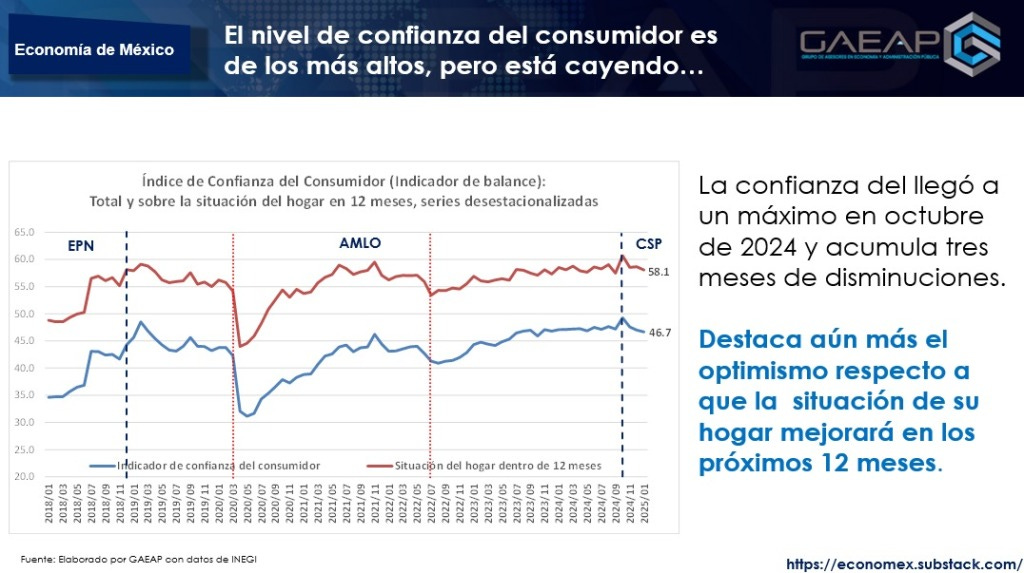
Economic volatility, internal issues, declining international market confidence, the threat of new tariffs, and a potential trade war looming if not carefully managed have all affected Mexican consumer optimism.
Economist Alejandro Gómez Támez, general director of the consulting firm GAEAP, highlighted in his January 7, 2025 editorial, «Numbers Don’t Lie: What’s Happening with Mexico’s Economy?»: «While still high, the Consumer Confidence Index (CCI), published by INEGI, closed December at 47.1 points, marking two consecutive declines in the last months of the year. Although the annual figure showed a modest increase of 0.2 points, the downward monthly trend reflects a perception of uncertainty among Mexican households.»
Differentiation Is the Key, Now More Than Ever
Smart design, superior service and shopping experiences, compelling storytelling, exploration of new markets, and alignment with new technologies and AI are essential strategies to stand out in an increasingly competitive and complex industry.
Targeting markets overlooked by most brands presents significant opportunities. In an oversaturated world of brands and repetitive products, success lies in designing for those whom no one is designing for.

Sustainability on Pause
Sustainability in fashion remains a key industry goal. However, in 2025, the urgency of the sustainability movement has been momentarily set aside, advancing more quietly, overshadowed by global economic and political uncertainty.
Trade and political shifts have left the national economy in a fragile state since the beginning of the year, demanding urgent attention as they could severely impact both manufacturers and consumers in the fashion market.

The post-pandemic era has left a legacy of conscious buyers with a strong desire for structure and security.
The 2025 consumer will continue to appreciate value in every purchase, opting for high-quality products and, preferably, expecting to get more for less. They will seek to shop in a way that feels fair in relation to what they receive, whether through discounts, second-hand products, or affordable versions of iconic luxury brand designs, ensuring that every expense feels balanced and justified.
In contrast to 2024, which began with a bombardment of micro-trends that emerged and disappeared just as quickly, 2025 starts with a focus on international political and commercial changes that are strongly impacting Mexico—undoubtedly raising concerns about the future of the industry and consumers alike.
The Future Is Digital, but Humanity Remains the Key
The general mood in fashion collections embraces the security of classic colors and the firm structures of tailoring, making them key elements in defining 2025 trends (as evidenced by this year’s MET Gala theme: «Tailored for You»). The future, always present, is reflected in minimalist color palettes and reinvented utilitarian designs inspired by timeless classics, accented with disruptive details. Unlike the overflowing Y2K and 90s nostalgia of 2024, fantasy in 2025 is now expressed through luxury and the timeless beauty of the past.
Thus, fashion in 2025-26 has abandoned the fast pace of previous years, now reflecting a journey inward—hopeful yet conscious of the challenging environment we face, seeking solutions in an ever-changing world.
The inevitable future of AI and technology is embraced, balanced by escapes into the real world, where human connection, emotions, and the sensation of being present take center stage.



 Análisis, Cultura y Mindset de la moda.
Muy interesante! thanks
Me gustaLe gusta a 1 persona
Gracias por su comentario!
Me gustaMe gusta